

A&M Dental Group · Balcatta
Emergency Dentist in Balcatta
Toothache, swelling or a damaged tooth? Contact A&M Dental Group to discuss an urgent dental appointment. We provide assessment and treatment based on your individual needs.
New and existing patients are welcome. Same-day appointments may be available, depending on clinical urgency and clinic capacity.
After-hours appointments: call to confirm availability before travelling.
Suite 4, Level 1, 275 Wanneroo Road, Balcatta WA 6021.
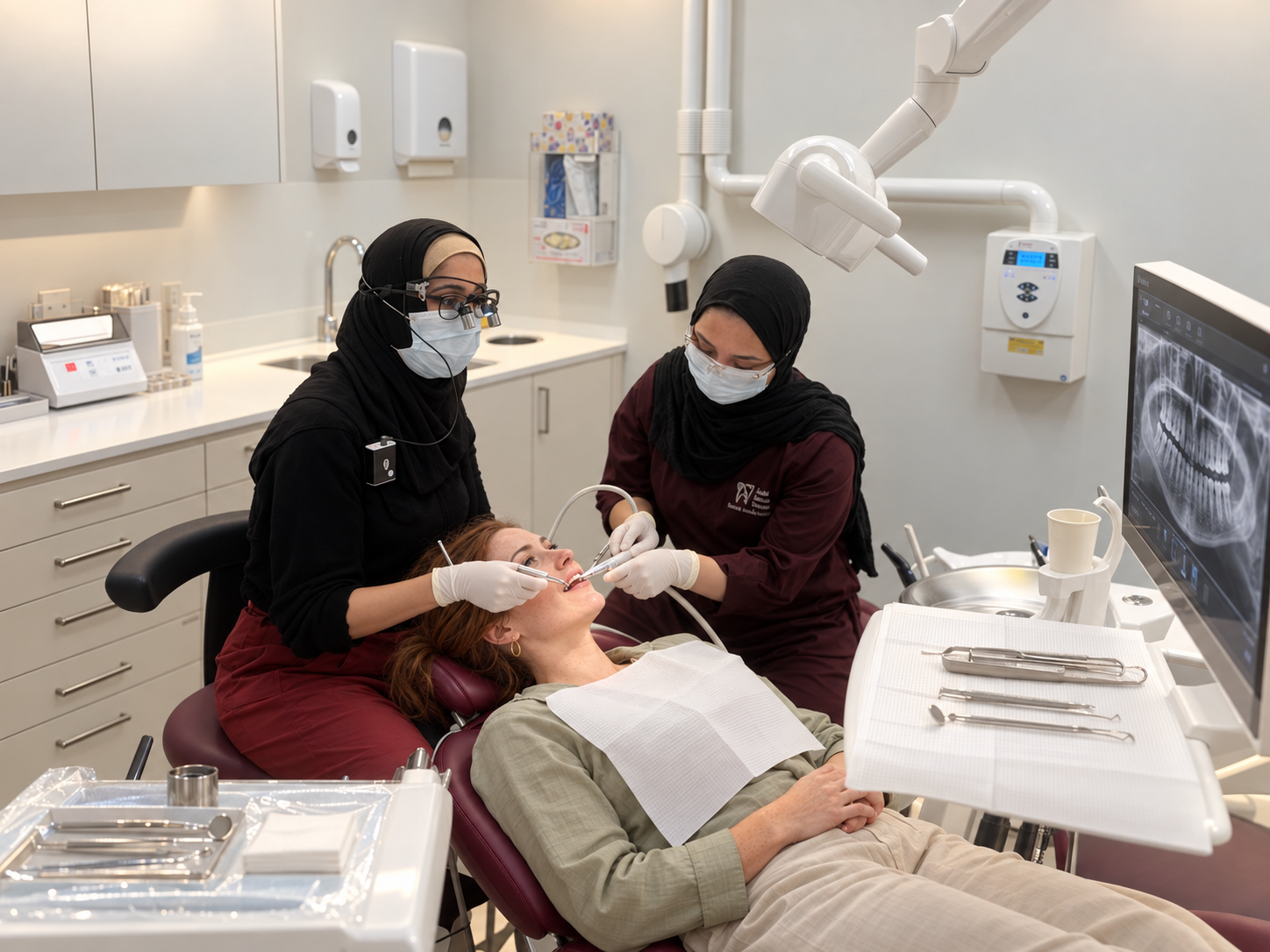
For a knocked-out adult tooth or rapidly worsening symptoms, seek urgent care rather than waiting for an online booking response.
Medical Emergency Warning
Call Triple Zero (000) or go to the nearest hospital emergency department if you have difficulty breathing, talking or swallowing; significant swelling of the mouth or tongue; heavy or uncontrolled bleeding; or a serious facial or head injury.
UNDERSTANDING URGENT CARE
What is emergency dentistry?
Emergency dentistry involves assessing dental pain, injury, swelling or other concerns that may need prompt attention. The first priority is to understand the cause and decide what care is appropriate.
A toothache does not always need an extraction, and not every chipped tooth requires the same treatment. An examination helps your dentist discuss options, costs and the next steps. Some concerns require hospital or specialist care.
If you are unsure how urgent your concern is, call (08) 6285 9007. Describe the symptoms and when they started. Telephone guidance does not replace a clinical examination.
SYMPTOMS AND INJURIES
When should you contact an emergency dentist?
Contact a dentist promptly for the following concerns. Breathing or swallowing difficulties, significant mouth or tongue swelling, heavy bleeding and serious injury require emergency medical care.
01 / Dental Pain
Persistent or severe toothache
Tooth pain that persists, worsens or disrupts eating or sleep should be assessed to identify the cause.
02 / Swelling
Swelling or suspected infection
Gum or facial swelling, fever, pus or a bad taste may indicate infection. Seek urgent dental or medical assessment.
03 / Trauma
Knocked-out or displaced teeth
A knocked-out adult tooth needs immediate attention. Do not wait for an online booking. A loose or displaced tooth after injury also needs assessment.
04/ Tooth Damage
Broken or cracked teeth
Damage can involve more than the visible part of a tooth. Tell us about pain, sensitivity and how the injury occurred.
05/ Restorations
Lost fillings or crown
A lost or damaged restoration may expose the tooth or cause discomfort. Keep any detached crown and bring it to the appointment.
06/ Other Concerns
Wisdom tooth or post-treatment pain
Painful wisdom teeth, worsening pain after treatment or unexpected bleeding should be discussed with a dental professional. Heavy or uncontrolled bleeding needs urgent medical care.
YOUR EMERGENCY APPOINTMENT
What can happen at an urgent dental visit?
The visit focuses on the concern you are experiencing. Assessment and any treatment depend on your health, the findings, available appointment time and your consent.
01
Listen and assess
We ask about symptoms, when they started, any injury, your medical history and medicines, then examine the affected area.
02
Gather information
X-rays or other records may be recommended when clinically appropriate. Not every urgent concern requires the same investigations.
03
Explain your options
We discuss findings, immediate priorities, relevant benefits, risks, alternatives and costs before you decide..
04
Care and follow-up
Suitable treatment may begin at the visit. Temporary care, further appointments or referral may be needed. We explain the next steps
CARE AT A&M
Our emergency dental services in Balcatta
After assessment, appropriate care may include:
management of toothache and dental pain
temporary or permanent repair of a damaged tooth or filling
assessment and management of a lost or damaged crown
assessment of dental swelling, infection or an abscess
assessment and management of dental injuries
root canal treatment or tooth extraction where clinically appropriate
referral for specialist or hospital care when required.
Not every treatment can be completed at the first visit. The available options depend on the diagnosis and individual circumstances. Antibiotics are not a substitute for addressing the source of a dental infection and are considered only when clinically indicated.
Before treatment proceeds, your dentist explains the proposed care, relevant risks, alternatives and costs. Treatment experiences and outcomes vary.
BEFORE YOUR VISIT
What to do while arranging dental care
These general first-aid steps do not replace professional assessment. Seek urgent help for warning signs, even if you have already booked a dental appointment.
Toothache
Gently rinse with warm water. If food is trapped, carefully use dental floss. Do not place aspirin or other medicines directly on the tooth or gum. Ask a pharmacist or medical practitioner about suitable pain relief and follow product directions.
Knocked-out adult tooth
Handle the tooth by the crown, not the root. If dirty, rinse briefly without scrubbing. If you can safely place it back in the socket, do so. Otherwise, keep it moist in milk and seek dental care immediately, ideally within 30 minutes. Do not soak it in water. Never reinsert a knocked-out baby tooth.
Broken tooth or lost crown
Bring any crown or broken tooth fragment. Keep a tooth fragment in milk or sterile saline. Avoid chewing on the affected area. Do not use household glue to repair a tooth or crown.
Swelling or suspected abscess
Seek urgent dental or medical assessment. Do not try to drain an abscess yourself. A wrapped cold pack against the outside of the face may help with swelling. Breathing, speaking or swallowing difficulties or significant mouth or tongue swelling require emergency medical help.
Patient information:
Frequently Asked Questions
-
Same-day appointments may be available depending on the day, the urgency of your concern and clinic capacity. Call (08) 6285 9007 as early as possible so our team can discuss availability.
-
Not every toothache requires the same level of urgency, but persistent, severe or worsening pain should be assessed. Swelling, fever, trauma, uncontrolled bleeding or difficulty breathing or swallowing may require urgent dental or medical attention.description
-
This can only be determined after assessment. Depending on the diagnosis, options may include a filling, crown, root canal treatment or another form of care. If keeping the tooth is not clinically appropriate, extraction or referral may be discussed. No particular treatment or outcome can be confirmed before examination.
-
We can assess dental pain and swelling and discuss treatment options based on the cause and severity. Treatment may involve addressing the source of the infection, and referral or medical care may be required in some circumstances.
-
The cost depends on the assessment, diagnostic information required and the treatment selected. We will explain proposed treatment and associated costs before proceeding. Private health-fund benefits and out-of-pocket costs depend on your policy and level of cover.
-
Call Triple Zero (000) or attend an emergency department for difficulty breathing, talking or swallowing; significant mouth or tongue swelling; heavy or uncontrolled bleeding; or serious facial or head injury. For urgent dental pain, a broken tooth, a lost filling or crown, or other concerns without these warning signs, contact the clinic for guidance.
-
Call A&M Dental Group to discuss your concern and appointment availability. Our team will arrange an appropriate appointment where possible and explain what information to bring.